
Horse racing in India has a long-standing connection with history, tradition, and sporting culture. While many racing institutions across the country have developed over time, some venues stand out because of their heritage, location, and unique visitor experience. Among them, Mysore Race Club is known for its scenic surroundings, association with royal history, and contribution to organized horse racing in Karnataka.
Located near the foothills of Chamundi Hills, Mysore Race Club offers more than just a racing venue. It represents the combination of professional horse racing, historic architecture, and the cultural charm of Mysuru. Racing activities in Mysore began in 1891 under the patronage of the rulers of Mysore, and the present racecourse was developed around 1920.
History and Development of Mysore Race Club
The origins of Mysore Race Club are closely connected with the royal family of Mysore, which supported equestrian activities and encouraged horse racing as a sport. The first races were held near Kebbe Katte Bungalow before racing activities moved to the current location near Chamundi Hills.
The present racecourse covers a large area and includes facilities such as a grandstand, paddock complex, stables, and an oval-shaped racing track. Over the years, the club has developed into one of India's recognized racing centres while maintaining its historical character.
The combination of royal influence, scenic surroundings, and professional racing facilities makes the club different from many other racing venues in the country.
What Races Are Held at Mysore Race Club?
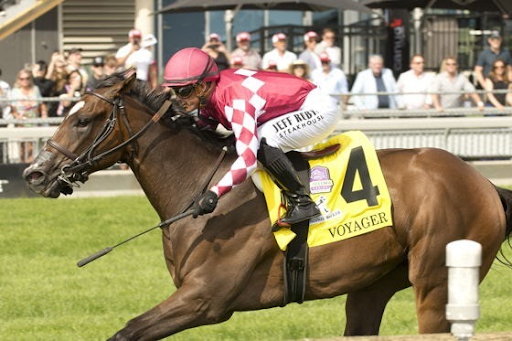
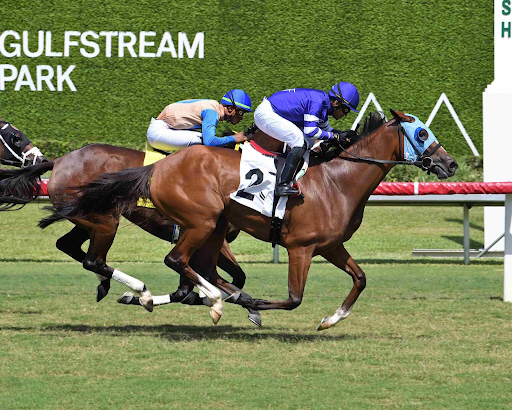
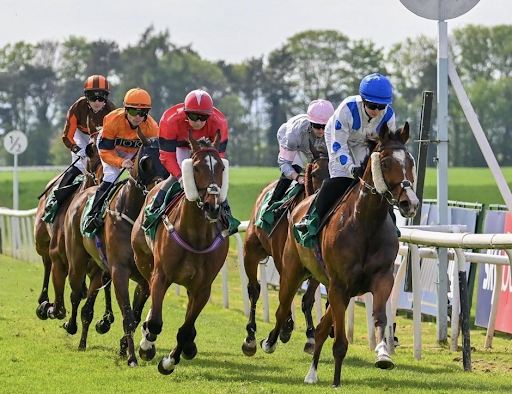
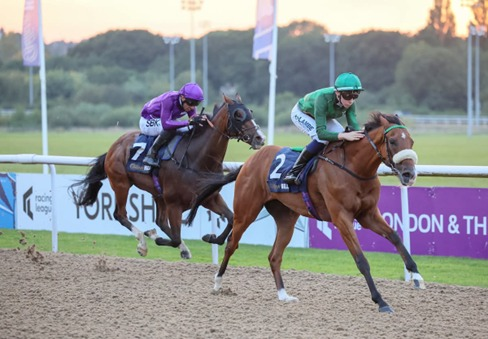
The racing calendar at Mysore Race Club includes several important events that attract professional participants and racing enthusiasts. The club conducts seasonal racing activities featuring different categories of races designed for thoroughbred horses.
Some of the notable races associated with Mysore racing include classic events such as the Mysore Derby, Mysore 1000 Guineas, and Mysore 2000 Guineas. These events have become important parts of the region's racing tradition and showcase the skills of horses, trainers, and jockeys.
Apart from major races, regular racing events throughout the season provide opportunities for professionals to participate and maintain the continuity of the sport. The club's racing calendar has helped establish Mysore as an important destination in India's horse racing circuit.
Best Time to Visit Mysore Race Club
The best time to visit Mysore Race Club depends on the racing season and weather conditions. Mysuru generally experiences pleasant weather during the winter months, making it comfortable for visitors exploring the city and nearby attractions.
The main racing season at Mysore traditionally takes place during specific months of the year, with races commonly organized between August and October as part of the club's annual activities. Visitors who want to experience the atmosphere of live racing can plan their visit around scheduled racing days.
Apart from racing, Mysuru is also popular for its palaces, heritage sites, gardens, and cultural experiences, making a racecourse visit part of a wider travel plan.
Things to Experience at Mysore Race Club
A visit to Mysore Race Club provides an opportunity to observe the professional side of horse racing. Visitors can experience the atmosphere of a historic racecourse, view the paddock area, and understand the preparation involved before races.
The surroundings of the club add to its appeal. The location near Chamundi Hills provides a scenic backdrop, creating a unique setting compared with many urban racecourses.
Visitors exploring Mysuru can also combine their racecourse visit with nearby attractions such as Mysore Palace, Chamundi Hills, museums, and local markets. The city's heritage and relaxed atmosphere make it a popular destination for travellers interested in history and culture.
Role of Horse Breeding in Racing Success
Behind every successful racing event is a detailed process involving breeding, training, nutrition, and veterinary care. Stud farms play an important role by developing thoroughbred horses with strong physical characteristics and athletic ability.
Breeding programmes focus on maintaining quality bloodlines and producing horses suitable for professional racing environments. Trainers then work with these horses to improve fitness, discipline, and performance.
Conclusion
The legacy of Mysore Race Club reflects the connection between royal heritage, professional racing, and Mysuru's cultural identity. With historic races, scenic surroundings, and a unique visitor experience, the club remains an important part of India's equestrian landscape. For those interested in learning more about the breeding foundation behind Indian horse racing, exploring Usha Stud Farm provides valuable insight into the development of quality thoroughbred horses. The club continues to attract racing professionals, enthusiasts, and visitors interested in understanding the heritage of Indian horse racing. Its long history shows how traditional sports can remain relevant while adapting to modern expectations.

Write a comment ...